Module 4 Test (D)Online version
by Neshell Leavelle
1
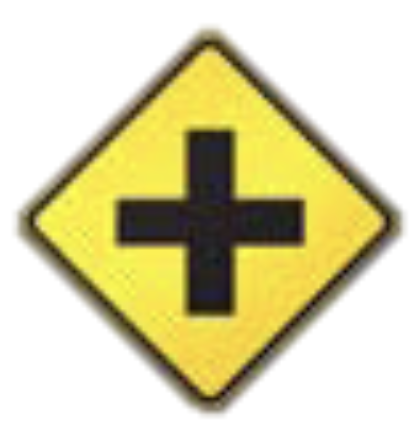
What is this intersection warning sign?
2
What does SEEit stand for?
3
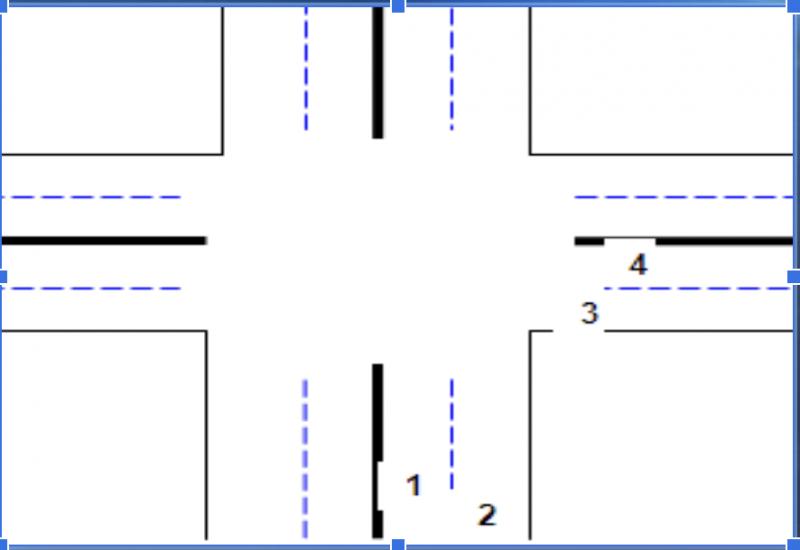
A right turn should begin in lane____ and end in lane_____.
4
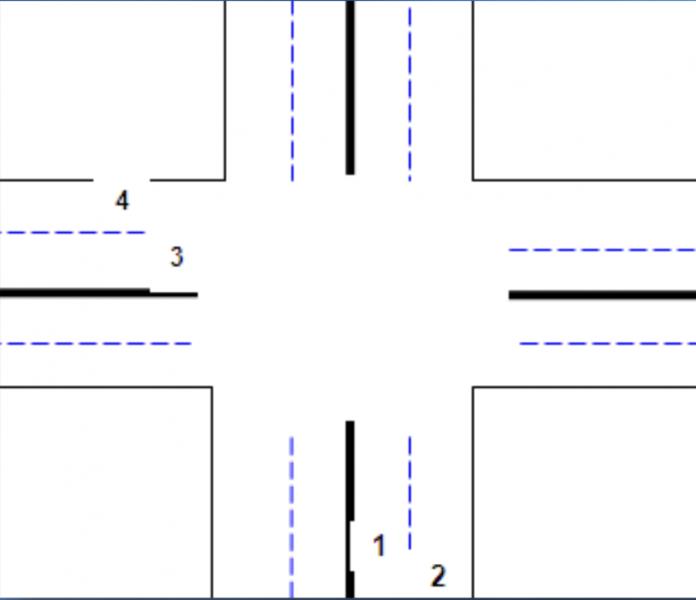
A left turn should begin in lane___ and end in lane___.
5

What is this curve?
6
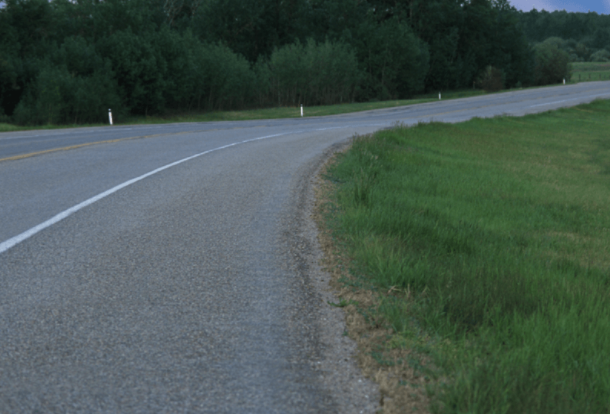
What are the basic part of a curve?
7
How should you enter a curve?
8
How should you exit a curve?
9
_____ ramps are designed for large trucks that lose braking control on steep hills.
10
Which pavement marking is illegal to pass?
11
High volume of traffic and many hazards is a characteristic of what type of roadway?
12
When passing on urban roadways you must make sure you can do so safely and legally.
13
When traveling in a shared left turn lane, you "CAN" travel more than 150 feet in lane.
14
Low volume of traffic and speeds is a characteristic of rural roadways.
15
When driving on rural roadways you DO NOT need to manage speed to increase control.
16
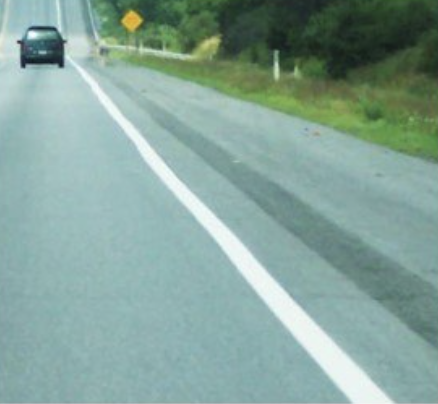
What highway safety design feature do you see in this image?
17
Is there a relationship between speed and injury severity in a crash?
18
Entrance ramp traffic lights are designs to distribute traffic on to the expressway when traffic is heavy.
19
How many seconds of following distance should you maintain on the expressway?
20
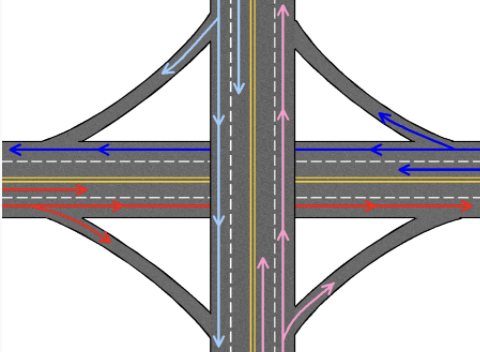
What is the name of this interchange?
21

What is the name of this interchange?
22

A RED "X" over a lane means the lane is _____
23
Following too closely is the leading cause of traffic collisions.
24
Increase following distance when following large trucks or buses.
25