
Explora tendencias y estilos.
La moda es un fenómeno social y cultural que consiste en la adopción temporal de estilos y tendencias que predominan en una sociedad en un período determinado. Incluye vestimenta, accesorios, estética y formas de comportamiento (Kawamura, 2005). La moda es también un sistema social organizado que legitima tendencias y las convierte en aceptadas por la sociedad (Entwistle, 2015). Cita: (Kawamura, 2005; Entwistle, 2015) 
La moda cumple funciones como: - Expresar identidad
- Diferenciar grupos sociales
- Reflejar cambios culturales
Además, contribuye a la construcción de identidad individual y colectiva (Entwistle, 2015). Cita: (Entwistle, 2015) 
En la prehistoria, la ropa tenía función de protección contra el clima. Se utilizaban pieles y fibras naturales (Laver, 2002). Posteriormente, la vestimenta adquirió significado simbólico y social. Cita: (Laver, 2002) 
5
Moda en civilizaciones antiguas
En el Antiguo Egipto y Roma, la vestimenta indicaba jerarquía social. Las clases altas utilizaban telas finas y adornos, mientras que el pueblo vestía de forma sencilla (Laver, 2002). Cita: (Laver, 2002) 

6
Surgimiento de la moda moderna
Entre los siglos XIV y XV en Europa, la moda comenzó a cambiar con mayor frecuencia, especialmente en las cortes reales. Desde entonces, la moda se asocia con renovación constante (Lipovetsky, 1994). Cita: (Lipovetsky, 1994) 
.
La moda refleja valores, ideologías y transformaciones sociales. Es una forma de comunicación no verbal (Entwistle, 2015). 
La vestimenta influye en la construcción de identidad de género, clase social y cultura (Crane, 2012). También permite pertenecer a determinados grupos sociales. 
9
Globalización y Redes Sociales
Las redes sociales han transformado la manera en que se difunden tendencias, permitiendo que la moda sea global e inmediata (Crane, 2012). 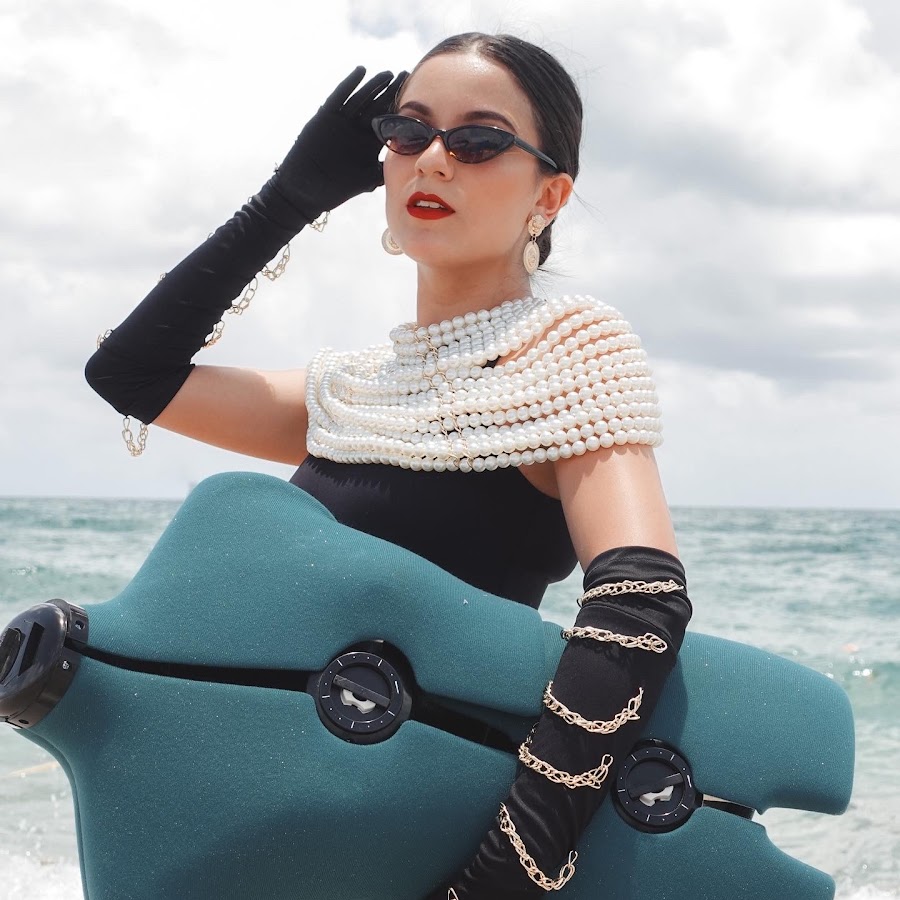
10
4. INNOVACIÓN EN LA MODA
La tecnología ha revolucionado el diseño mediante herramientas digitales como el modelado 3D (Gwilt, 2020). 
Existen textiles inteligentes y materiales reciclados que reducen el impacto ambiental (Fletcher, 2014). 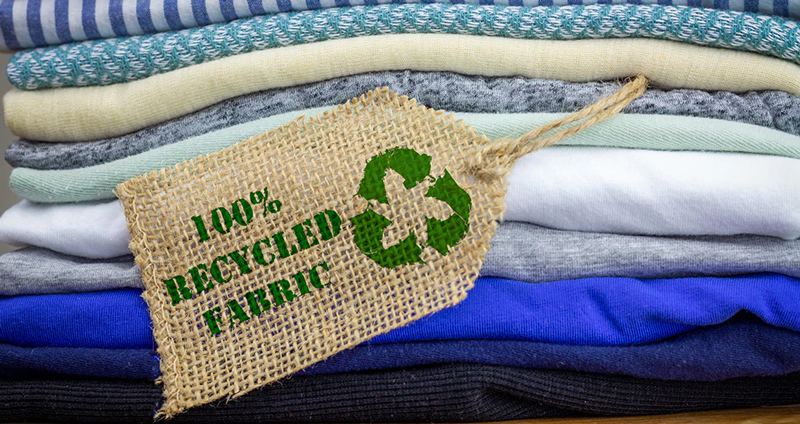
El movimiento slow fashion promueve consumo responsable frente al fast fashion (Fletcher, 2014). Busca ética, sostenibilidad y reducción de residuos (Gwilt, 2020). Cita: (Fletcher, 2014; Gwilt, 2020) 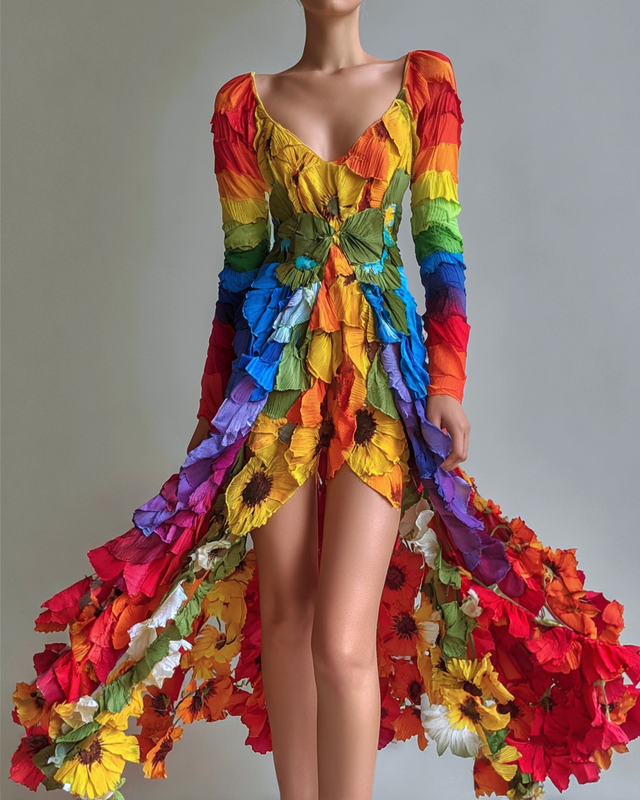
13
5. MARKETING EN LA MODA
El marketing incluye publicidad, branding y desfiles de moda (Easey, 2009). 
Las redes sociales y los influencers influyen en las decisiones de compra (Kotler & Keller, 2016). 
15
Comportamiento del cosumidor
El consumidor busca identidad y pertenencia a través de las marcas (Kotler & Keller, 2016). La moda es una industria clave en la economía global (Easey, 2009). Cita: (Kotler & Keller, 2016; Easey, 2009) 
- Crane, D. (2012). Fashion and its social agendas: Class, gender, and identity in clothing. University of Chicago Press.
- Easey, M. (2009). Fashion marketing (3rd ed.). Wiley-Blackwell.
- Entwistle, J. (2015). The fashioned body: Fashion, dress and modern social theory (2nd ed.). Polity Press.
- Fletcher, K. (2014). Sustainable fashion and textiles: Design journeys (2nd ed.). Routledge.
- Gwilt, A. (2020). A practical guide to sustainable fashion. Bloomsbury Visual Arts.
- Kawamura, Y. (2005). Fashion-ology: An introduction to fashion studies. Berg.
- Kotler, P., & Keller, K. L. (2016). Marketing management (15th ed.). Pearson.
- Laver, J. (2002). Costume and fashion: A concise history. Thames & Hudson.
- Lipovetsky, G. (1994). The empire of fashion: Dressing modern democracy. Princeton University Press.
|




 This is going to be the presentation of numbers from 1 to 100.
 An in-depth look at various leadership styles and their impact on organizations.